- Number of players: 2 to 10
- Choose a dealer, and place the dealer's cards in front of that person. To maintain fairness, the dealer's position moves clockwise to the left after each game. This way, every player takes turns being the dealer.
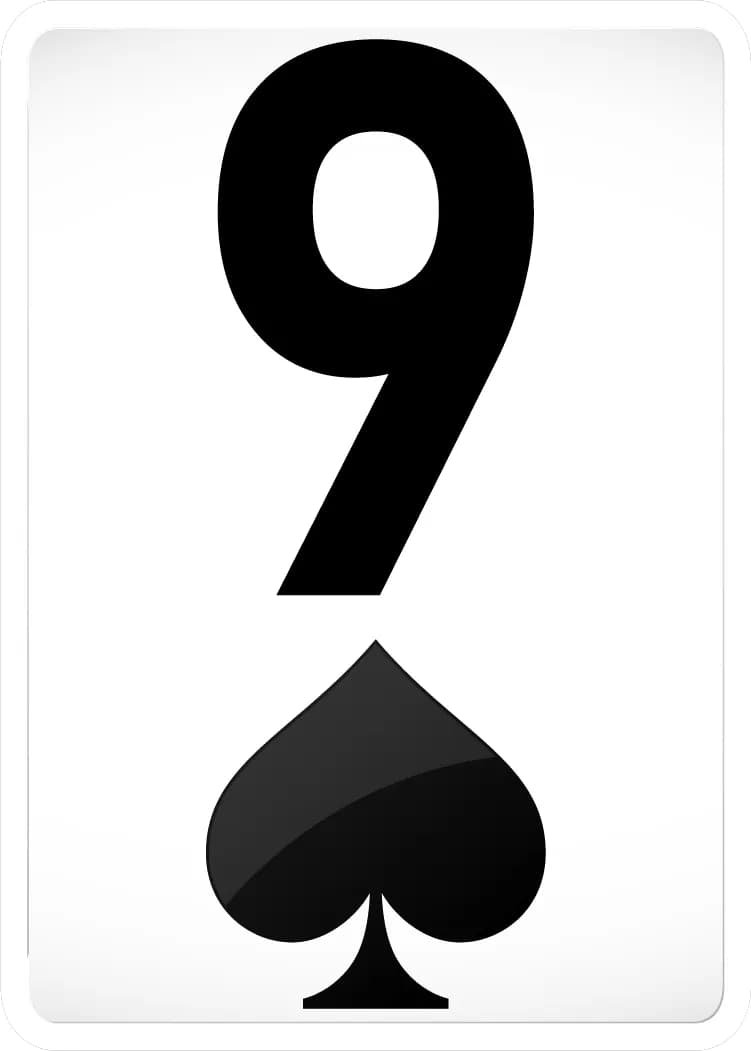
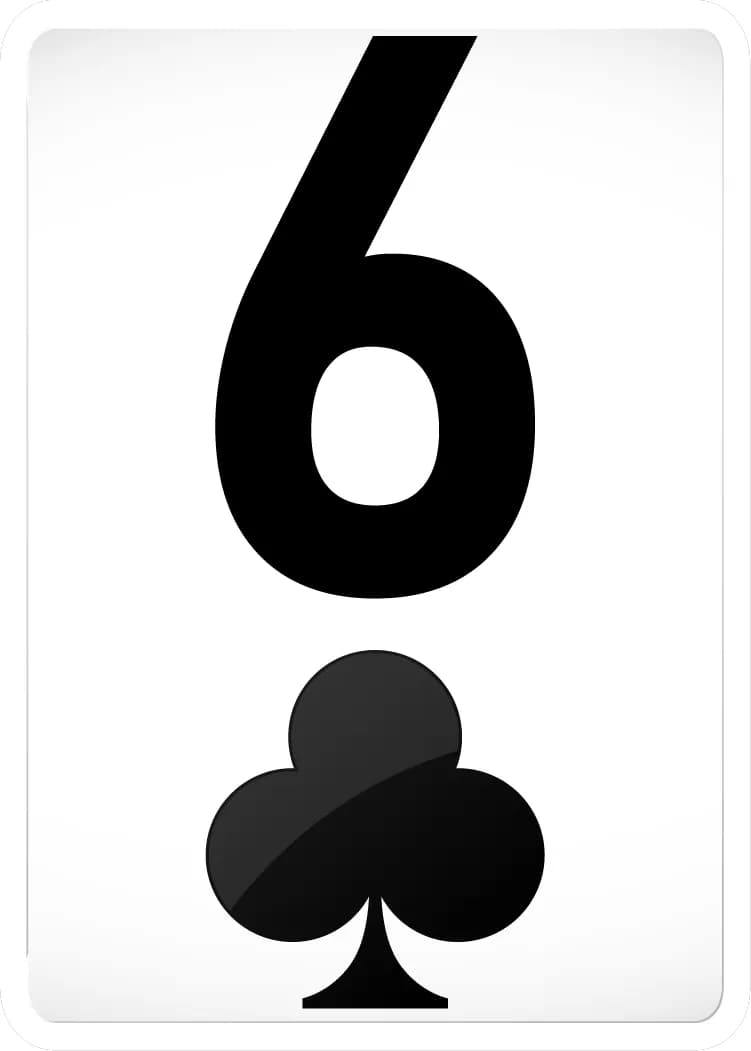
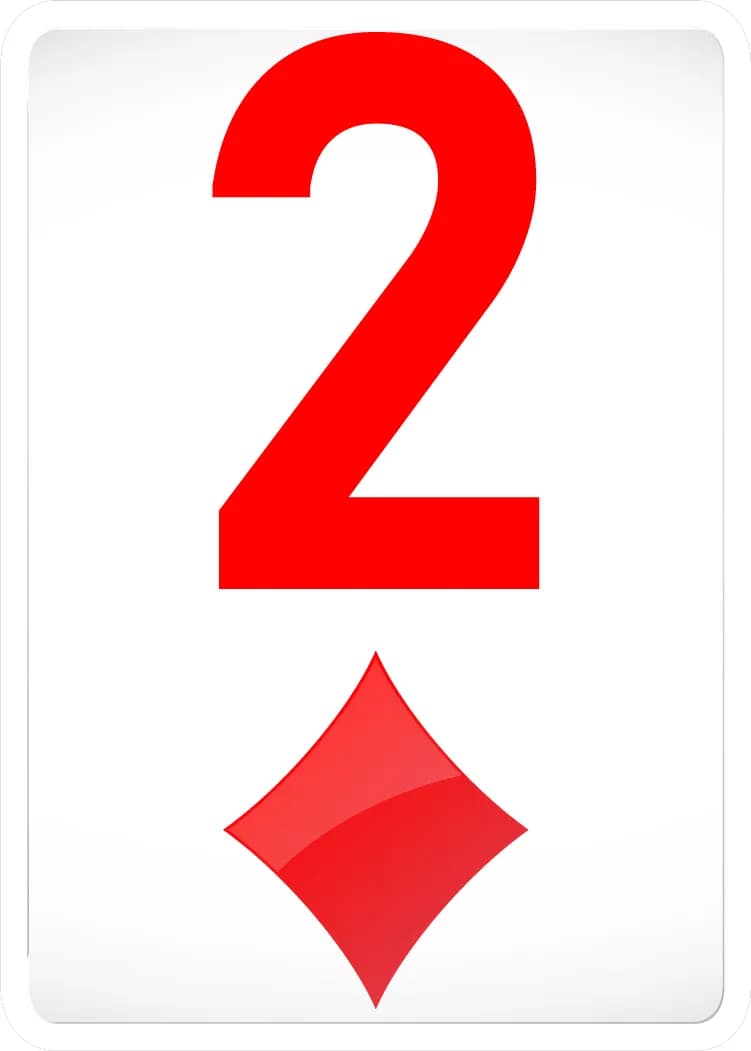
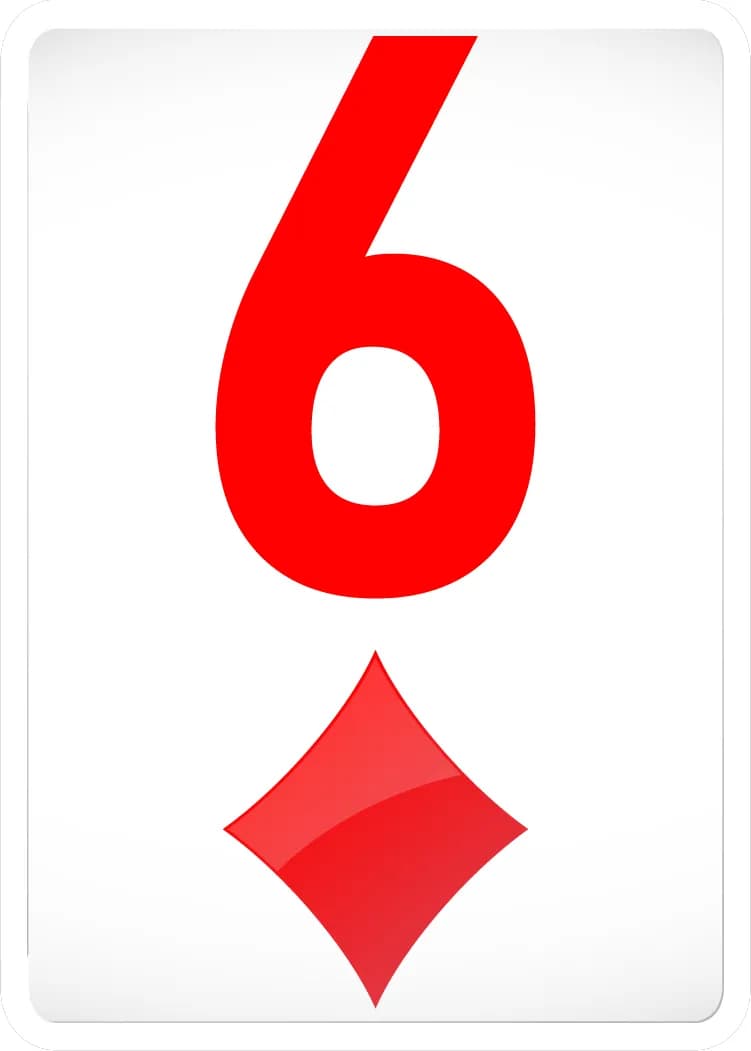
- The dealer deals cards clockwise, showing two cards to each player.
- The poker game consists of 4 stages of betting rounds:Pre-Flop, Flop, Turn, River.
- At the end of each betting round, all bets are gathered in one place: Pot. If all players' bets are the same and no one re-bets, the betting round is considered over.
- After the 4 stages of the game, the player with the strongest hand wins. However, the actual hand can end at any time. If someone bets and all other players fold, the bettor wins and the game ends.
- The winner takes the total bets from all players. Pot. The winner can only receive the money in the pot if they bet all their money faster than others (All-in).
The player exits the game and waits for the next game. This action occurs when a player receives bad cards or does not want to pay more money to the opponent. They lose their previous bet.
Bets the same amount as the previous player.
Bets if no one has bet yet. This means that other players who want to continue the game must pay at least the amount bet (Call), raise it (Raise), or fold.
Decides to increase the bet after someone has already bet.
For example, initially, two players A and B bet 250 each, totaling 500. Player A decides to raise by 250. So the total is now 750. Player B now has three options: call by betting another 250, re-bet, or raise further (e.g., 350) or fold.
Going all-in means betting all your money. All money is pooled, and the game continues. After the game ends, the cards are revealed to determine the winner and loser. If you are the winner, you can only receive the pot money equivalent to the amount you called.
When no one has bet, you wait for the actions of other players without betting.